Going vegan doesn’t mean going without – it means discovering 11 powerhouse foods that deliver every nutrient your body needs without a single dairy product. From protein-packed legumes to calcium-rich greens, these plant-based staples have helped millions transition to a thriving, compassionate lifestyle. Here’s exactly what belongs on your plate.
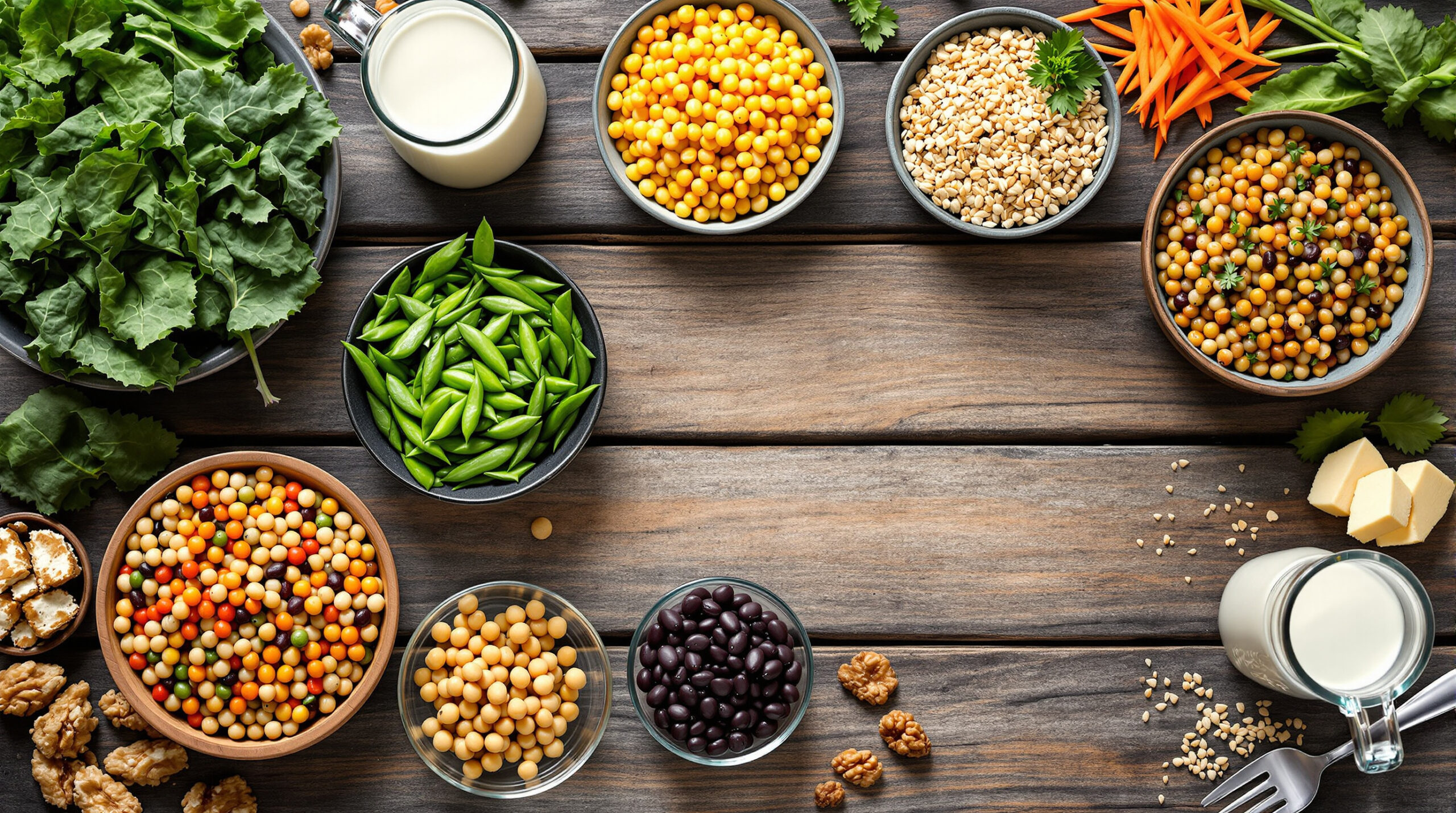
Key Concepts in Vegan Nutrition
Understanding the essential nutrients in a plant-based diet requires familiarity with the core food groups, micronutrients, and dietary strategies that make veganism both sustainable and healthful. Below are the primary entities and concepts covered in this guide.
Essential Nutrients
- Complete protein – The combination of all nine essential amino acids, achievable through strategic pairing of legumes, grains, and seeds
- Calcium – A critical mineral for bone density, sourced from fortified plant milks, leafy greens like kale and collard greens, and calcium-set tofu
- Omega-3 fatty acids – Heart-healthy fats including ALA, EPA, and DHA, found in flaxseeds, chia seeds, hemp hearts, and algae-based supplements
- Iron – Available in non-heme form from lentils, chickpeas, spinach, and fortified cereals, with absorption enhanced by vitamin C pairing
- Vitamin B12 – An essential nutrient not naturally present in plant foods, requiring supplementation or fortified food sources
- Zinc – Found in pumpkin seeds, cashews, and whole grains, important for immune function and cell repair
Featured Plant-Based Foods
| Food Category | Key Examples | Primary Nutrients |
|---|---|---|
| Legumes | Lentils, chickpeas, black beans, edamame | Protein, iron, fiber |
| Whole Grains | Quinoa, amaranth, oats, brown rice | Complex carbs, B vitamins, zinc |
| Nuts & Seeds | Chia seeds, flaxseeds, hemp hearts, walnuts | Omega-3s, protein, healthy fats |
| Soy Products | Tofu, tempeh, edamame, soy milk | Complete protein, calcium, iron |
| Leafy Greens | Kale, collard greens, bok choy, spinach | Calcium, iron, vitamins A & K |
| Fortified Foods | Plant milks, nutritional yeast, cereals | B12, vitamin D, calcium |
Dietary Strategies
- Protein combining – Eating complementary plant proteins across meals to ensure all essential amino acids are consumed
- Nutrient pairing – Combining iron-rich foods with vitamin C sources to boost absorption by up to 300%
- Supplementation – Targeted use of B12, vitamin D, and algae-based omega-3 supplements to fill nutritional gaps
- Meal diversity – Rotating through a wide variety of whole foods each week to cover the full micronutrient spectrum
- Fortified food integration – Incorporating fortified plant milks, nutritional yeast, and cereals as reliable nutrient sources
These 11 cornerstone foods and strategies form the foundation of a nutritionally complete vegan diet, ensuring adequate intake of protein, calcium, omega-3s, iron, and B12 without relying on animal products.
The Short Answer
A well-planned vegan diet built around legumes, leafy greens, nuts, seeds, and whole grains delivers every essential nutrient your body needs – without dairy. The key is variety: rotating through these 11 powerhouse foods ensures you hit your targets for protein, calcium, iron, and omega-3 fatty acids daily.
What Are the Best Protein-Rich Vegan Foods?
Protein is the nutrient most people worry about when ditching dairy, but plant sources deliver abundantly:
- Lentils – One cooked cup provides 18 grams of protein plus 37% of your daily iron. Red lentils cook in just 15 minutes, making them ideal for weeknight meals.
- Chickpeas – With 14.5 grams of protein per cup, chickpeas also deliver fiber that supports gut health and keeps you full for hours.
- Tofu and Tempeh – Tofu offers 20 grams of protein per cup and absorbs any flavor profile. Tempeh, its fermented cousin, adds 31 grams per cup along with beneficial probiotics.
Which Plant Foods Replace Dairy Calcium?
Contrary to popular belief, calcium doesn’t require cow’s milk. These foods match or exceed dairy’s calcium content:
- Kale – One cup of cooked kale delivers 177 mg of calcium with a higher absorption rate than milk – your body absorbs roughly 40-64% of kale’s calcium compared to just 32% from dairy.
- Fortified Plant Milks – Soy, oat, and almond milks typically provide 300-450 mg of calcium per cup, matching conventional milk gram for gram.
- Sesame Seeds – Just one tablespoon contains 88 mg of calcium. Sprinkle tahini on bowls and salads for an effortless boost.
How Do Vegans Get Enough Omega-3 Fatty Acids?
Omega-3s support brain health, reduce inflammation, and protect your heart. Plant-based sources rich in ALA omega-3s include:
- Chia Seeds – Two tablespoons pack 5 grams of omega-3s, plus 10 grams of fiber. Soak them overnight for a no-cook pudding breakfast.
- Walnuts – A quarter-cup serving delivers 2.5 grams of ALA along with antioxidants that support cognitive function.
- Hemp Seeds – Three tablespoons provide 2.6 grams of omega-3s and all nine essential amino acids – one of the few plant foods that qualify as a complete protein.
Frequently Asked Questions
Can you get enough protein on a vegan diet?
Absolutely. Combining legumes, grains, nuts, and seeds throughout the day easily provides 50-70 grams of protein – meeting or exceeding recommendations for most adults.
Do vegans need to take supplements?
Vitamin B12 supplementation is essential for all vegans, as no reliable plant source exists. Vitamin D and algae-based DHA/EPA omega-3 supplements are also recommended, especially in northern climates.
Is a vegan diet safe for children?
Leading dietetic associations – including the Academy of Nutrition and Dietetics – confirm that well-planned vegan diets are appropriate for all life stages, including childhood, provided B12 and key nutrients are monitored.
How do I start transitioning to a vegan diet?
Start by replacing one meal per day with plant-based options. Focus on adding these 11 foods rather than restricting – most people find that cravings for dairy naturally diminish within 2-3 weeks as taste preferences adjust.
What about iron absorption on a vegan diet?
Pair iron-rich foods like lentils and kale with vitamin C sources such as bell peppers or citrus to boost absorption by up to 300%. Avoid drinking tea or coffee with iron-heavy meals, as tannins can inhibit uptake.
Mind officially blown! You’ve outdone yourself yet again.
I’m bookmarking this. It’s too good not to revisit!
Can I frame this? Seriously, it’s a masterpiece!